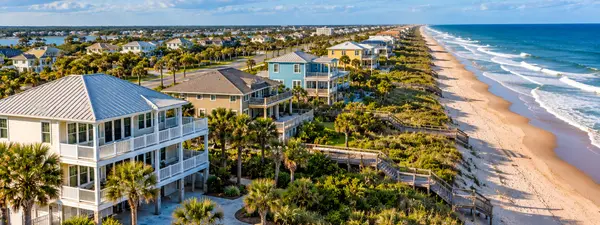
Best Beaches, Trails, Parks, and Water Spots in Melbourne Beach
Melbourne Beach offers a rare everyday mix of Atlantic beaches, lagoon views, protected coastal habitat, and easy outdoor stops. A morning can mean a shoreline walk, a natural-surface trail, or quiet wildlife viewing beside the Indian River Lagoon, all within the same barrier-island town. For relocating households and vacation-home shoppers, those choices are part of the local rhythm, and they often shape which part of town feels like the right fit. The best beaches, trails, parks, and water spots in Melbourne Beach make it simple to spend more time outside without planning a full-day trip.
Melbourne Beach Outdoors: The Quick Overview
- Public green spaces: County beach parks, protected sanctuaries, and a state park at the south end of the barrier island provide several distinct outdoor settings. (Brevard County Parks and Recreation)
- Trail options: Short, natural-surface habitat walks connect dunes, maritime hammock, wetlands, and lagoon overlooks, including a 1-mile dune-to-lagoon trail at Doc Ehrhart Sanctuary. (Brevard County EEL Program)
- Beach access: Atlantic Ocean access is available through public beach parks and designated dune crossovers. (Brevard County Parks and Recreation)
- Protected land: Maritime Hammock Sanctuary preserves coastal strand, hammock, mangrove, wetland, and marsh habitat. (Brevard County EEL Program)
- Signature destination: Sebastian Inlet State Park covers about 1,000 acres and more than three miles of barrier island, combining beach time, fishing, surfing, boating, and lagoon-side recreation. (Florida State Parks)
The Best Beaches in Melbourne Beach
Melbourne Beach's best beach choices range from convenient family parks to quieter stretches beside protected coastal habitat. Spessard Holland North Beach Park is a practical option for beachgoers who value nearby restrooms, showers, picnic space, dune crossovers, and parking. Its compact setup works well for a shorter beach visit, surf fishing, or a relaxed spring and fall afternoon.
Spessard Holland South Beach Park has a more active feel, with a boardwalk connection, pavilions, showers, and room for family beach days. It is a good choice for visitors who want to combine sand time with surfing or shoreline fishing. Early morning is generally the most comfortable arrival window in warmer months.
Juan Ponce de León Landing is a quieter oceanfront stop with beach access, a pavilion, restrooms, and parking. The setting suits beachcombing, a calm shoreline walk, and time near the water without the busier atmosphere of larger beach parks.
Sebastian Inlet State Park, at the southern end of the Melbourne Beach barrier island, is the broadest recreation destination in the area. Visitors come for surf breaks, jetty fishing, boating, lagoon views, and long beach scenery. Bridge-replacement work by the Florida Department of Transportation has brought occasional closures at both park entrances, so check Florida State Parks updates on access, surf conditions, and parking before heading out.
Top Trails in Melbourne Beach
Melbourne Beach trails are best for short, wildlife-focused outings rather than long-distance training routes. Doc Ehrhart Sanctuary is a 34-acre site with a 1-mile trail that runs from the dunes to the lagoon, passing through coastal hammock along the way. It suits beginners, families, walkers, and birdwatchers, with beach access and the Barrier Island Center nearby. Arrive early if you want time to explore both the ocean side and lagoon side before the day warms up.
Coconut Point Sanctuary provides a similarly gentle natural-surface walk through coastal strand, scrub, forest, and mangrove habitat. It is better suited to walkers and nature observers than to cyclists or runners. Parking near Juan Ponce de León Landing makes the trail convenient, and the lagoon overlook is the feature many first-time visitors should not miss.
Maritime Hammock Sanctuary offers a shadier and more immersive habitat walk, with bridges, wetland boardwalk sections, and an observation area above a marsh pond. The terrain is natural and can be damp after rain, making closed-toe shoes a smart choice. This is a strong pick for visitors who prefer birdwatching and quiet forested scenery over open sand.
For a broader coastal outing, Sebastian Inlet State Park has walking opportunities around its beaches, jetties, and lagoon areas, including a ranger-led route toward the south jetty on select dates. It suits active visitors who want to pair a walk with fishing, surfing, or boating.
Best Parks and Green Spaces in Melbourne Beach
Melbourne Beach's parks and green spaces combine easy beach access with unusually intact barrier-island habitat. Spessard Holland North Beach Park is well suited to families, anglers, and visitors who want a straightforward beach setup. Picnic areas, pavilions, showers, restrooms, and accessible features help make it an easy half-day destination.
Spessard Holland South Beach Park is another family-friendly choice, especially for visitors who want boardwalk access and practical beach-day amenities. The park's open layout supports surfing, sand play, shoreline walks, and casual gatherings without requiring a long hike to reach the water.
Maritime Hammock Sanctuary is the area's standout nature-oriented green space. Its protected coastal landscape includes native habitat types that are increasingly hard to experience from a public trail. The boardwalk sections and marsh overlook make it particularly appealing to birdwatchers, photographers, retirees, and anyone looking for a cooler, more shaded outing.
Doc Ehrhart Sanctuary is a useful first stop for newcomers because it brings together a manageable habitat walk, beach access, and the Barrier Island Center, which has an interactive exhibit hall, an observation deck, and year-round public programs. The sanctuary was renamed on April 26, 2025, in honor of sea turtle researcher Dr. Llewellyn "Doc" Ehrhart, whose decades of nesting data helped establish protection for this stretch of beach. During June and July, the Brevard County EEL Program and its partner the Sea Turtle Conservancy offer a limited number of guided sea turtle walks from the center.
Melbourne Beach Waterways Worth Exploring
Melbourne Beach's outdoor recreation is shaped by the Atlantic Ocean, the Indian River Lagoon, and Sebastian Inlet rather than inland lakes. The Indian River Lagoon is the calmer choice for paddling, wildlife viewing, and permitted fishing. Morning outings are often more comfortable because wind, heat, and afternoon thunderstorms can build later in the day.
Sebastian Inlet delivers a more active saltwater experience. Fishing, surfing, boating, paddling, and sightseeing are all possible within the state park, which has boat launch facilities on its south side and at the park marina. Tides, wind, surf, weather alerts, and temporary access changes should guide each visit.
Coconut Point Sanctuary offers a quieter way to experience the lagoon without going on the water. Its overlook provides a land-based viewpoint for watching shorebirds, osprey, changing tides, and occasional marine life. Visitors should stay on marked paths and follow posted sanctuary rules, particularly after wet weather when natural trails can be muddy.
Melbourne Beach Outdoor Recreation by the Numbers
Melbourne Beach's outdoor network is best understood as a collection of county beach parks, protected sanctuaries, lagoon viewpoints, and state-park access, with ocean, hammock, wetland, and lagoon habitat sitting unusually close together.
| Measure | Figure | Source |
|---|---|---|
| Doc Ehrhart Sanctuary size | 34 acres | Brevard County EEL Program |
| Doc Ehrhart Sanctuary trail length | About 1 mile, dune to lagoon | Brevard County EEL Program |
| Sebastian Inlet State Park size | About 1,000 acres | Florida State Parks |
| Sebastian Inlet State Park barrier island span | More than 3 miles | Florida State Parks |
| Sebastian Inlet State Park campsites | 51 sites with water and electricity | Florida State Parks |
| Sebastian Inlet State Park vehicle entry | $8 for 2+ occupants, $4 single occupant | Florida State Parks |
County and state agencies maintain the access points, facilities, and protected lands featured here. Conditions, parking, trail surfaces, water access, fees, construction impacts, and amenity availability can change, so confirm current notices with Brevard County Parks and Recreation, the Brevard County EEL Program, and Florida State Parks before visiting.
Quick Compare: Top Outdoor Spots in Melbourne Beach
| Name | Type | Best For | Facilities | Admission/Fee |
|---|---|---|---|---|
| Spessard Holland North Beach Park | Beach | Families, surf fishing | Dune crossovers, showers, restrooms, pavilions | No general admission |
| Spessard Holland South Beach Park | Beach | Family outings, surfing | Boardwalk, pavilions, showers, restrooms | No general admission |
| Juan Ponce de León Landing | Beach / Park | Beach walks, surf fishing | Beach access, pavilion, restrooms | No general admission |
| Doc Ehrhart Sanctuary | Trail / Park | Families, wildlife viewing | 1-mile natural trail, beach access, Barrier Island Center | No general admission |
| Coconut Point Sanctuary | Trail / Waterway | Birding, quiet walks | Natural trail, lagoon overlook | No general admission |
| Maritime Hammock Sanctuary | Trail / Park | Shaded walks, birding | Bridges, boardwalk sections, observation area | No general admission |
| Sebastian Inlet State Park | Beach / Waterway | Surfing, fishing, boating | Beaches, jetties, boat launch, campground, lagoon recreation | $8 per vehicle (2+ occupants), $4 single occupant |
Sources: Brevard County Parks and Recreation; Brevard County Environmentally Endangered Lands Program; Florida State Parks; National Weather Service Melbourne.
Tip: Visit the most popular beach parks near sunrise, especially in summer, when parking is easier, temperatures are lower, and thunderstorms are less likely to interrupt the day.
Seasonal Guide to Melbourne Beach Outdoor Spots
Melbourne Beach supports outdoor recreation year-round, but each season changes the best way to enjoy it. Winter is often the most comfortable time for longer beach walks, sanctuary trails, fishing, and cycling because humidity is usually lower. It is also an appealing season for slower birdwatching along the lagoon.
Spring brings warmer beach weather while mornings remain pleasant for natural-surface trails. School breaks can increase beach-park traffic, so early arrivals help visitors find calmer conditions and simpler parking.
Summer favors sunrise walks, early paddles, and shorter trail visits. The National Weather Service in Melbourne identifies late May as the typical beginning of the wet season, which usually runs through mid-October, so heat, lightning, and afternoon thunderstorms should shape outdoor plans. Summer is also sea turtle nesting season, and the guided turtle walks in June and July fill quickly. Check forecasts before entering open beach or lagoon areas.
Fall can bring quieter beaches and gradually improving humidity. The dry season typically begins in October, although tropical weather, high surf, and changing marine conditions may still affect beach and water access. For the best beaches, trails, parks, and water spots in Melbourne Beach, flexible timing is often more useful than a fixed itinerary.
What Outdoor Access Means When Choosing a Home in Melbourne Beach
For buyers, the outdoor network is more than a weekend list. It can help narrow a search. Households that want daily ocean swims or surf checks often prioritize homes within walking distance of a public dune crossover or beach park. Buyers drawn to paddling, boating, or sunset views may lean toward the river side of the island, where lagoon frontage and dock potential become part of the property's value. Those who want quiet and nature close by often look toward the southern stretch near the sanctuaries, where the setting is lower density and the drive to everyday services is longer.
A few practical questions are worth asking during a showing: how far the nearest public beach access is on foot, whether parking near that access fills early in peak months, how the property sits relative to flood zones, and whether any association rules affect kayak storage, docks, or beach equipment. For vacation-home buyers, proximity to these spots also shapes guest appeal if the home will be rented when you are not using it.
For sellers, these details belong in the listing story. A short walk to a beach crossover, a view of the lagoon, or easy access to a sanctuary trail are features buyers pay attention to, and describing them specifically helps the right buyer recognize the fit. To see how different parts of town compare, the Melbourne Beach community profile and this look at higher-end homes in Melbourne Beach offer more local context.
Find Your Home Near Melbourne Beach's Best Outdoor Spots
Living near Melbourne Beach's outdoor spaces can make beach walks, lagoon views, and protected-habitat trails part of an ordinary routine. Laura Myers, REALTOR® Advisor with Engel & Völkers Melbourne, helps buyers, relocating families, and vacation-home seekers compare oceanfront, riverfront, and quieter sanctuary-side settings across Brevard County's coastal communities, and helps sellers present what makes their location distinctive. To talk through which part of Melbourne Beach suits the way you want to live, call (321) 429-2367, email laura.myers@engelvoelkers.com, or reach out to Laura.
Frequently Asked Questions
What are the best outdoor activities in Melbourne Beach?
Melbourne Beach is especially well suited to beach walking, surfing, surf fishing, paddling, birdwatching, and short nature walks. Spessard Holland's beach parks, Doc Ehrhart Sanctuary, Coconut Point Sanctuary, Maritime Hammock Sanctuary, and Sebastian Inlet offer distinctly different ways to enjoy the coast.
Are there free parks or beaches in Melbourne Beach?
Yes, several county beach parks and protected sanctuaries offer public access without general admission. Spessard Holland North Beach Park, Spessard Holland South Beach Park, Juan Ponce de León Landing, Doc Ehrhart Sanctuary, Coconut Point Sanctuary, and Maritime Hammock Sanctuary are examples. Sebastian Inlet State Park charges $8 per vehicle with two or more occupants and $4 for a single-occupant vehicle.
Are the trails in Melbourne Beach suitable for families and beginners?
Many local trails are manageable for beginners because they focus on short, relatively level walks through coastal habitat. Doc Ehrhart Sanctuary's 1-mile trail and Coconut Point Sanctuary are particularly approachable choices, though families should stay on marked trails and prepare for sun, insects, and wet ground after rain.
What is the most popular park or green space in Melbourne Beach?
Sebastian Inlet State Park offers the widest range of recreation, including beaches, fishing, surfing, boating, camping, and lagoon access. Visitors seeking a quieter green-space experience may prefer Maritime Hammock Sanctuary, where shaded habitat and marsh views take priority over active water sports.
When is the best time of year to enjoy the outdoors in Melbourne Beach?
Winter and spring are often the most comfortable seasons for extended walks, beach time, and lagoon outings. Summer remains enjoyable with early starts and brings sea turtle nesting season, while fall visitors should monitor tropical weather, surf conditions, and local access notices.
Does living near these outdoor spots affect home choice in Melbourne Beach?
Often, yes. Buyers who prioritize daily beach access, lagoon recreation, or quiet nature trails tend to focus on different parts of town, and walking distance to a public beach crossover or lagoon frontage can be a meaningful factor in both lifestyle and resale appeal.
Categories
Recent Posts